
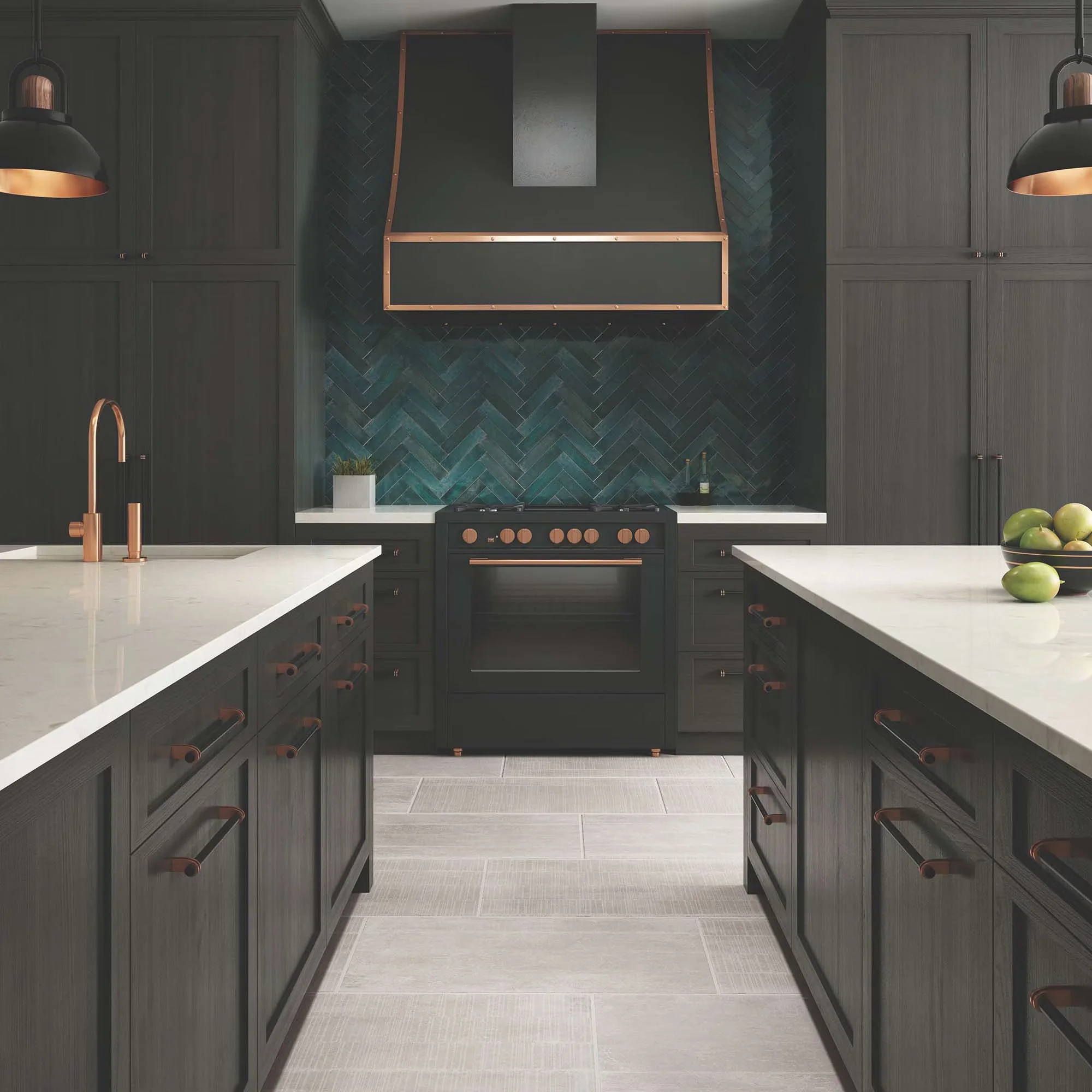
Tile Flooring: A General Overview
Tile has been used for thousands of years, evolving from handcrafted luxury in ancient palaces to today's accessible, high-performance flooring material. Modern tile combines timeless beauty with exceptional durability, offering Northern Colorado homeowners unlimited design possibilities. Whether you're drawn to classic subway patterns, contemporary large-format slabs, or intricate mosaics, tile provides water resistance, easy maintenance, and longevity that few materials can match. Understanding the differences between ceramic, porcelain, and glass tile—along with how size affects both aesthetics and installation—helps you make informed choices for your Fort Collins, Loveland, Greeley, Windsor, or Longmont home
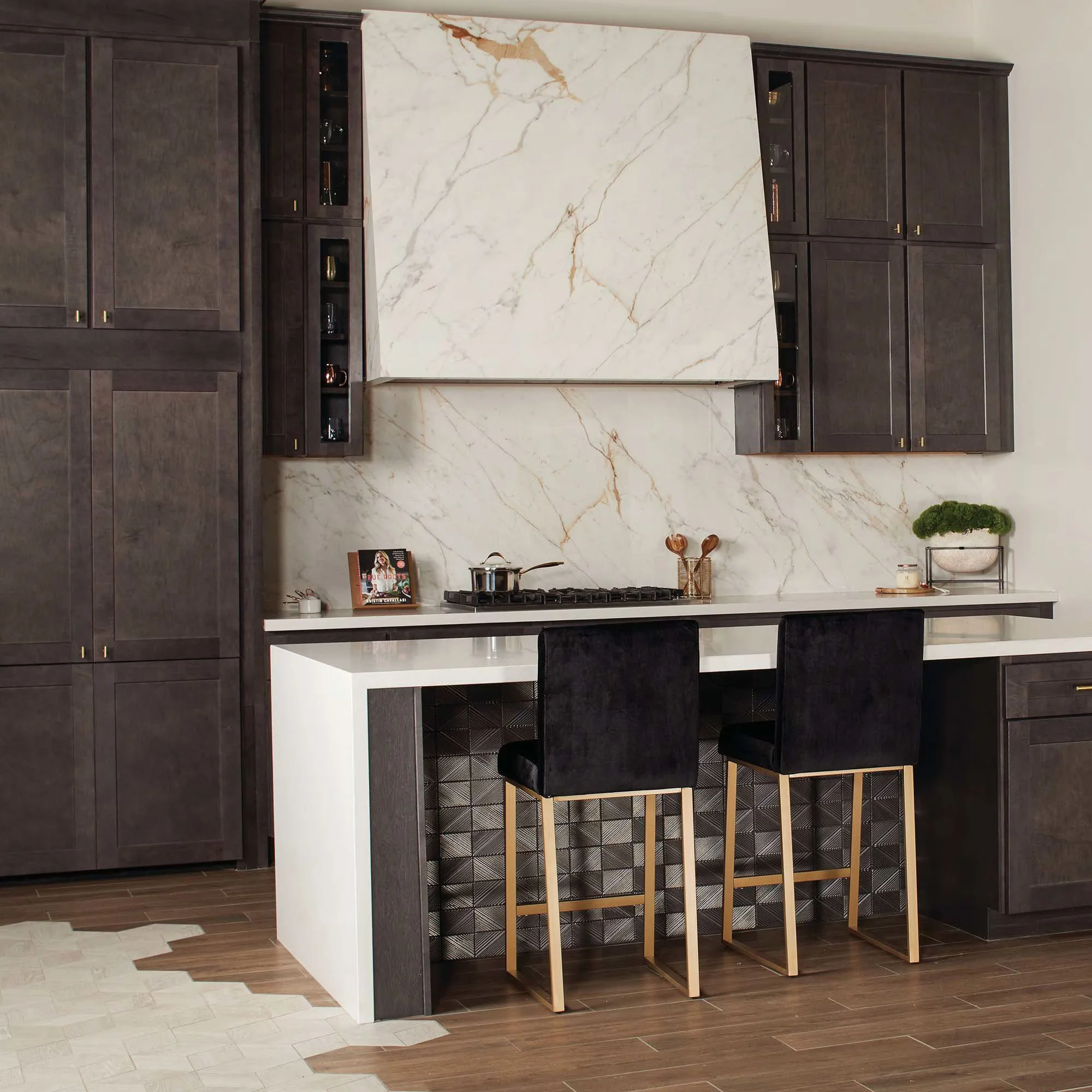
Porcelain Tile
Porcelain tile is made from refined clay fired at extreme temperatures exceeding 2,200°F, creating an exceptionally dense material with water absorption below 0.5%. This density makes porcelain harder, more scratch-resistant, and more durable than standard ceramic tile. Because many porcelain tiles are "through-body"—meaning color runs throughout the entire thickness—chips and wear are less noticeable than with glazed ceramic. Porcelain excels in high-traffic areas like entryways and kitchens, handles Northern Colorado's freeze-thaw cycles for outdoor applications, and offers superior stain resistance. Modern porcelain includes stunning wood-look planks and marble-look slabs that replicate natural materials with exceptional realism while providing easier maintenance. While porcelain costs more than ceramic and requires professional installation due to its hardness, it delivers maximum performance and longevity for demanding applications throughout your home.
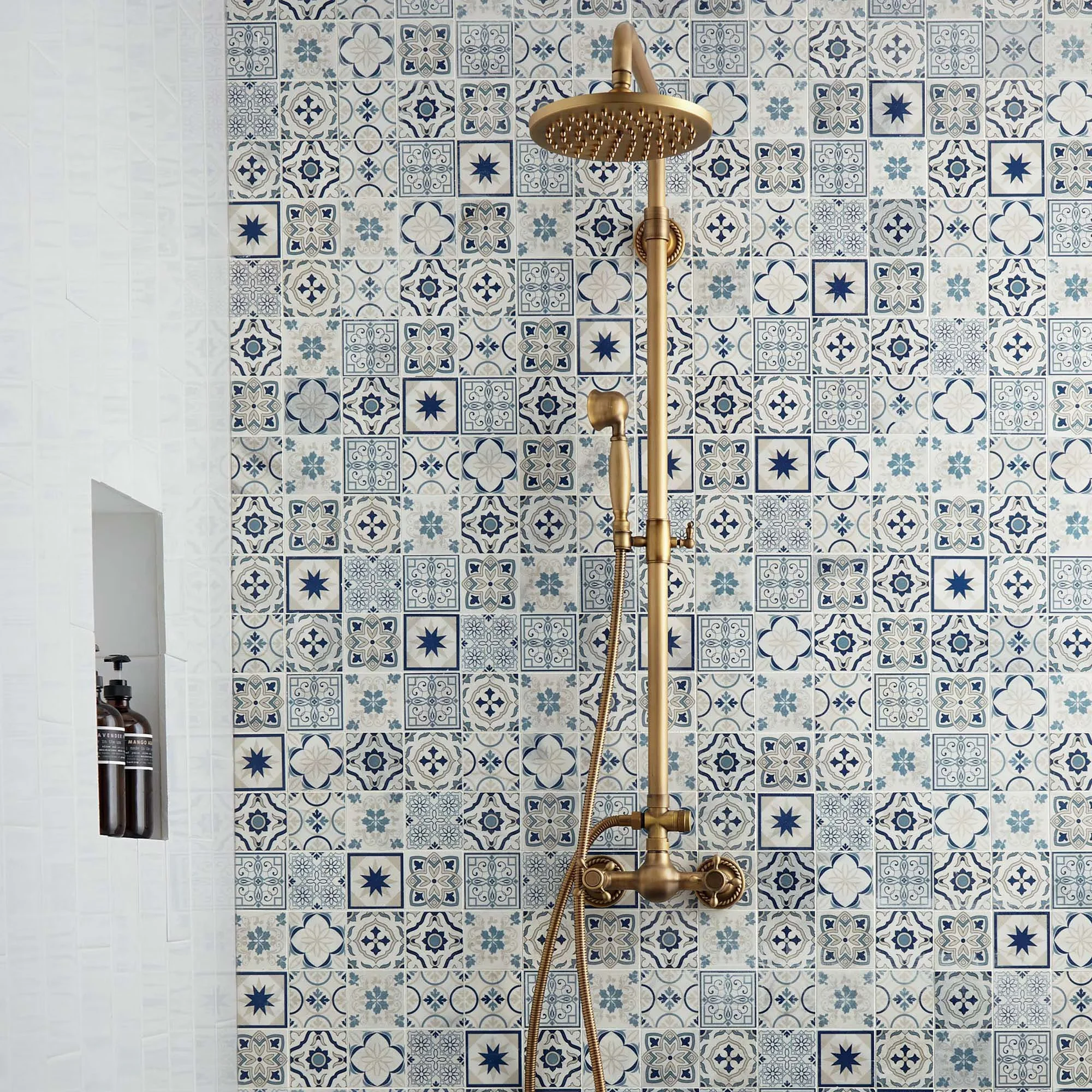
ceramic Tile
Ceramic tile is made from natural clay mixed with minerals, formed into shape, then fired at temperatures between 1,000-1,200°F. Most ceramic tiles receive a protective glaze—a liquid glass coating that creates color, pattern, and water resistance. Ceramic costs 30-70% less than porcelain while still offering excellent performance for most residential applications. It works beautifully for bathroom walls, shower surrounds, kitchen backsplashes, and moderate-traffic floor areas. Ceramic tile comes in unlimited colors, patterns, and finishes—from classic white subway tile to hand-painted artisan designs. While ceramic is more porous than porcelain (meaning it's not suitable for outdoor use in freezing climates), it performs perfectly in climate-controlled interior spaces. For Greeley, Windsor, and Loveland homeowners seeking beautiful, durable tile at accessible price points, ceramic delivers exceptional value when properly installed in appropriate applications.
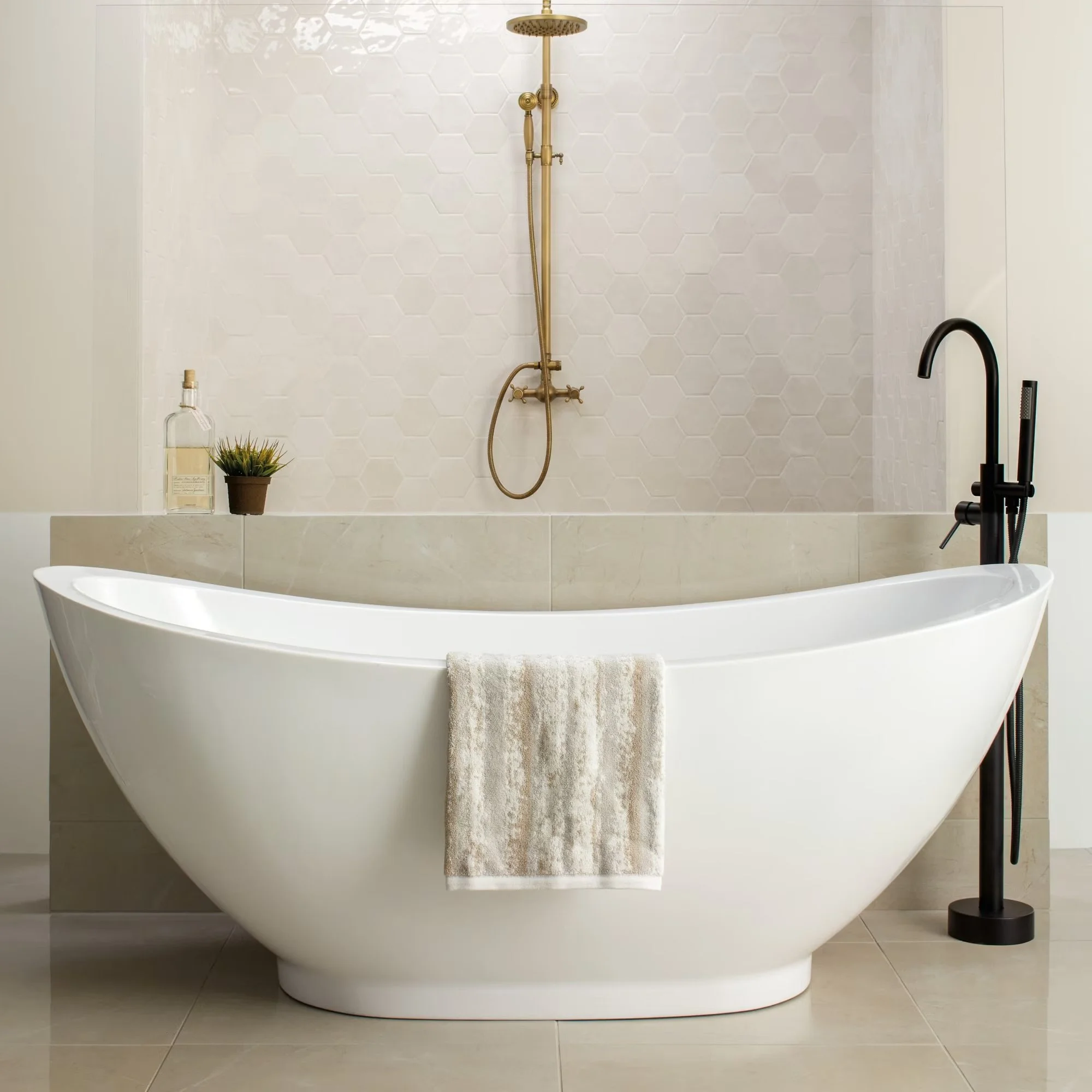
Natural Stone
Natural stone—including marble, travertine, slate, limestone, and granite—is quarried directly from the earth, making every piece genuinely unique with inherent color variations and organic patterns that manufactured materials cannot replicate. Stone can be finished in various ways: polished for elegant sheen, honed for matte sophistication, or textured for slip resistance. Each stone type brings distinct characteristics—marble offers timeless luxury with veining, travertine provides Old World warmth with natural pitting, slate delivers rustic texture and durability, while granite brings exceptional hardness. Natural stone requires more maintenance than porcelain or ceramic, needing periodic sealing to protect against stains and moisture penetration. It works beautifully in entryways, bathrooms, and kitchen floors, especially paired with radiant heat to counter stone's naturally cool surface. For Fort Collins and Longmont homeowners seeking authentic, one-of-a-kind beauty and natural materials, stone provides character and permanence that only nature can create—with the understanding that its beauty comes with responsibility for proper care and maintenance.

Glass Tile
Glass tile is made from silica sand melted at approximately 2,600°F and formed into tiles—a completely different process from clay-based ceramic or porcelain. Glass tile is non-porous, impervious to water and stains, and never requires sealing, making it incredibly low-maintenance. Its translucent or transparent quality creates light-reflective, jewel-like effects that add depth and luminosity to spaces. Glass tile excels in backsplashes, shower niches, accent walls, and decorative borders where its unique properties create visual interest. However, glass is brittle and should never be used on floors—it's designed exclusively for wall applications. Installation requires white thin-set mortar (so adhesive doesn't show through) and specialized technique since glass doesn't absorb water like ceramic. Many Fort Collins and Longmont homeowners combine glass tile accents with ceramic or porcelain field tile, creating dynamic designs that balance beauty, durability, and budget. Glass tile transforms ordinary spaces into extraordinary ones through its ability to catch and reflect light in ways solid materials cannot.
Tile Sizes: How Dimensions Affect Design and Installation:
Tile size dramatically impacts both the visual feel of your space and installation complexity. Small mosaics (typically ½" to 2") create intricate patterns and work well for curved surfaces, shower floors, and decorative accents, but require more grout lines and meticulous installation. Standard field tiles (4"x4" to 12"x12") offer versatility and moderate cost, working for virtually any application. Large-format tiles (12"x24" and larger, up to 5'x10' slabs) create contemporary, seamless looks with minimal grout lines—they make small bathrooms feel larger and create dramatic modern statements. However, large-format tiles demand perfectly flat substrates and expert installation since any unevenness becomes immediately apparent.
Grout line spacing changes with size too. Smaller tiles mean more grout, which affects maintenance and color choice. Larger tiles minimize grout lines for cleaner, more contemporary aesthetics. Rectified tiles (precision-cut edges) allow tighter grout spacing than standard tiles. For Northern Colorado homes, consider our teamfor larger tile installation expertise, and complex mosaic installations. At Suzanne’s Carpet & Tile, we help Loveland, Greeley, and Windsor homeowners select tile sizes that balance their design vision with practical installation considerations.